Mold Remediation Services
In Ocean and Monmouth Counties
Find the Moisture. Address the Mold.
Feel Better about your home.
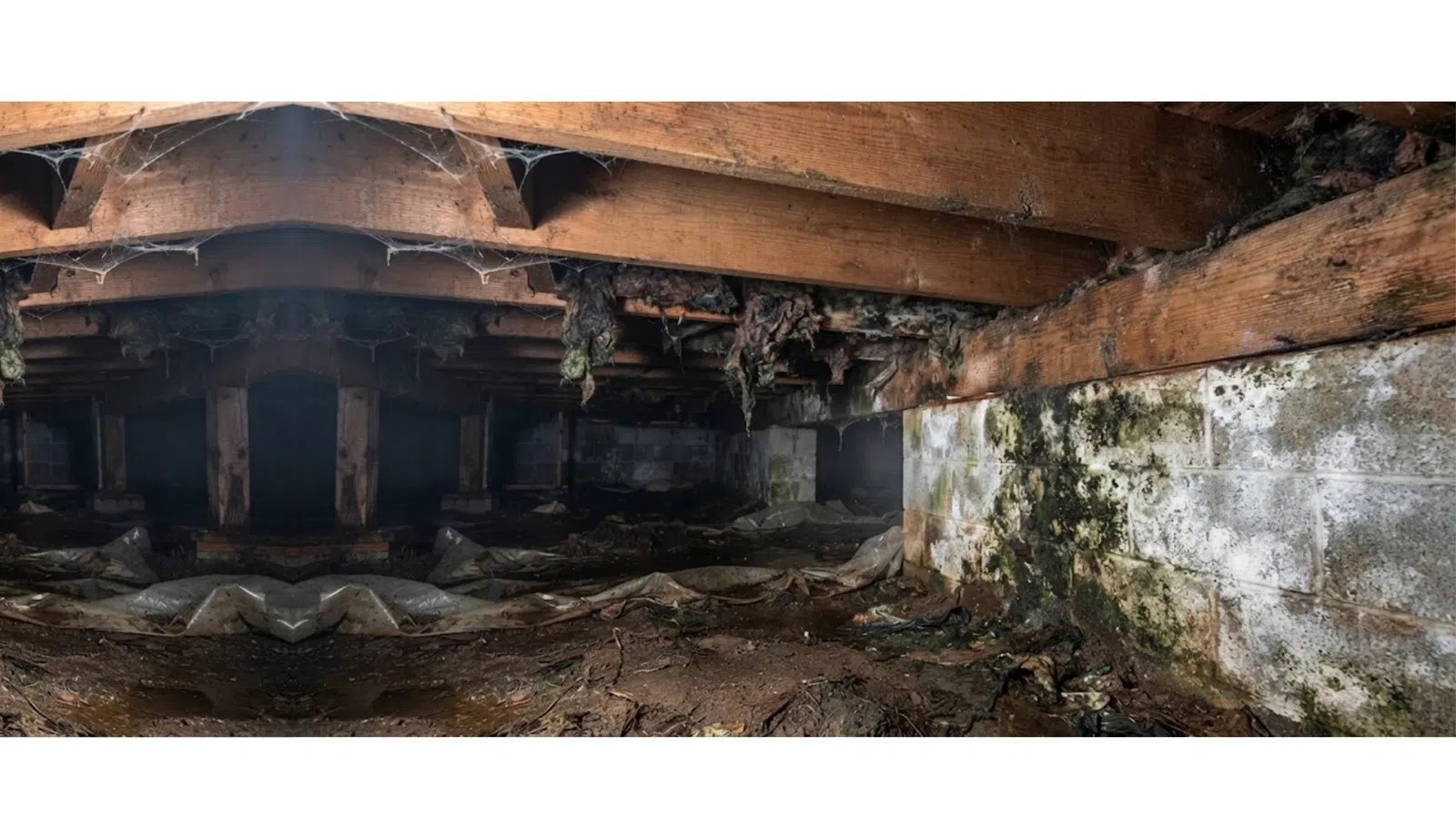
A musty smell, visible discoloration, or a damp crawl space can leave you wondering what is happening behind the scenes. Ozane Termite & Pest Control helps homeowners in Ocean and Monmouth Counties identify mold concerns and take practical steps to address them.
Our team offers mold testing and remediation, along with moisture control solutions tailored to your home. We look beyond the visible problem to understand the conditions that allowed it to develop.
Common Signs of Mold
Mold thrives where moisture lingers. You may want an evaluation if you notice:
- A persistent musty odor
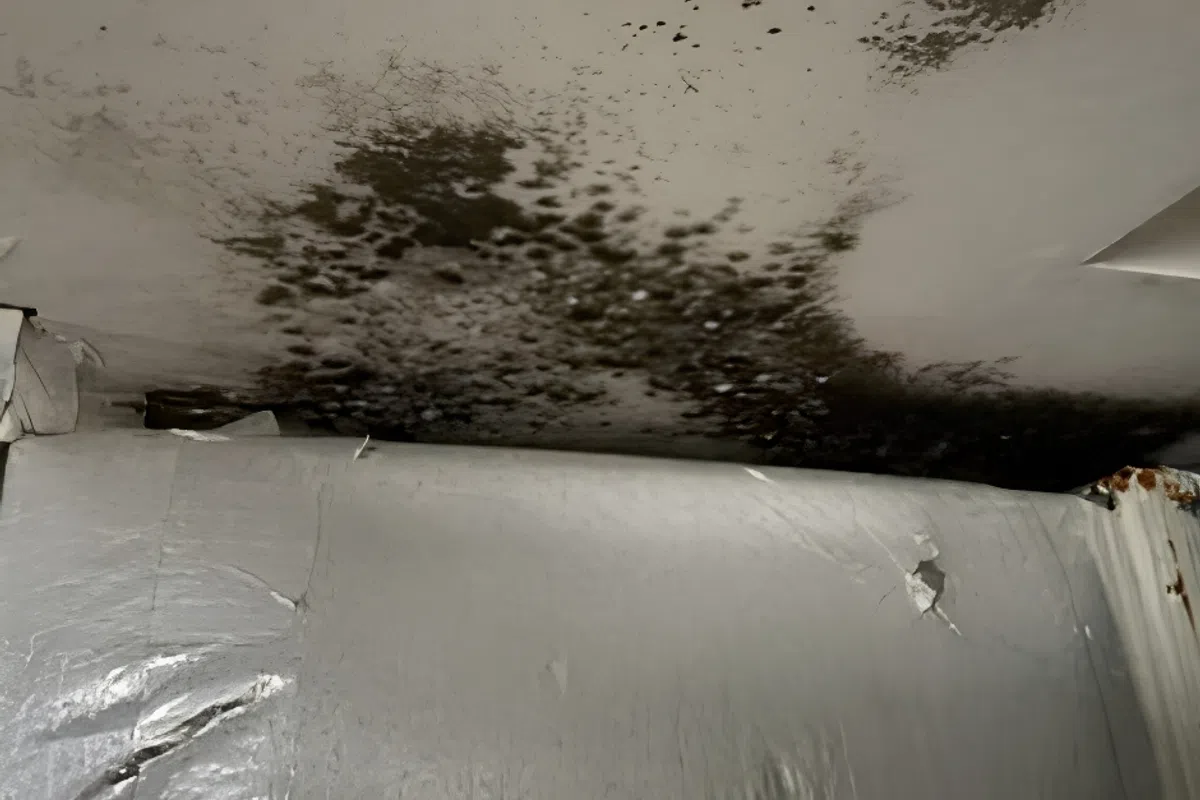
- Visible spots or discoloration on surfaces
- Water damage, leaks, or past flooding
- Dampness or excess humidity in a basement or crawl space
- Damaged or sagging crawl space insulation
You do not have to know whether a spot is mold before calling. We can assess the area and explain the next steps.
Mold Testing That Gives
You a Clear Picture
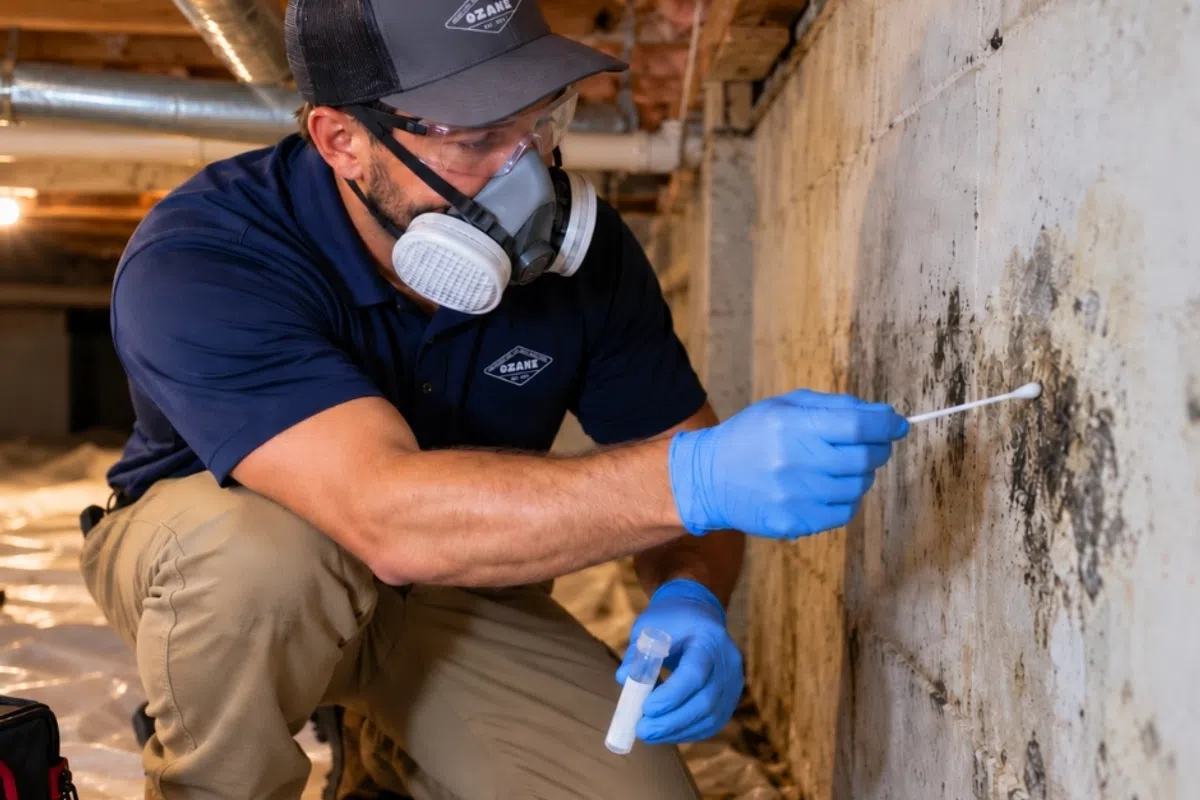
Testing can help determine whether mold is present and provide information about the extent of a concern. When mold sampling is recommended, samples are submitted to an independent laboratory for analysis. Laboratory testing is available at an additional cost and is only performed when requested or when conditions warrant further evaluation.
Once testing is complete and laboratory results are received, we'll review the findings with you and recommend a course of action based on your home's specific conditions.
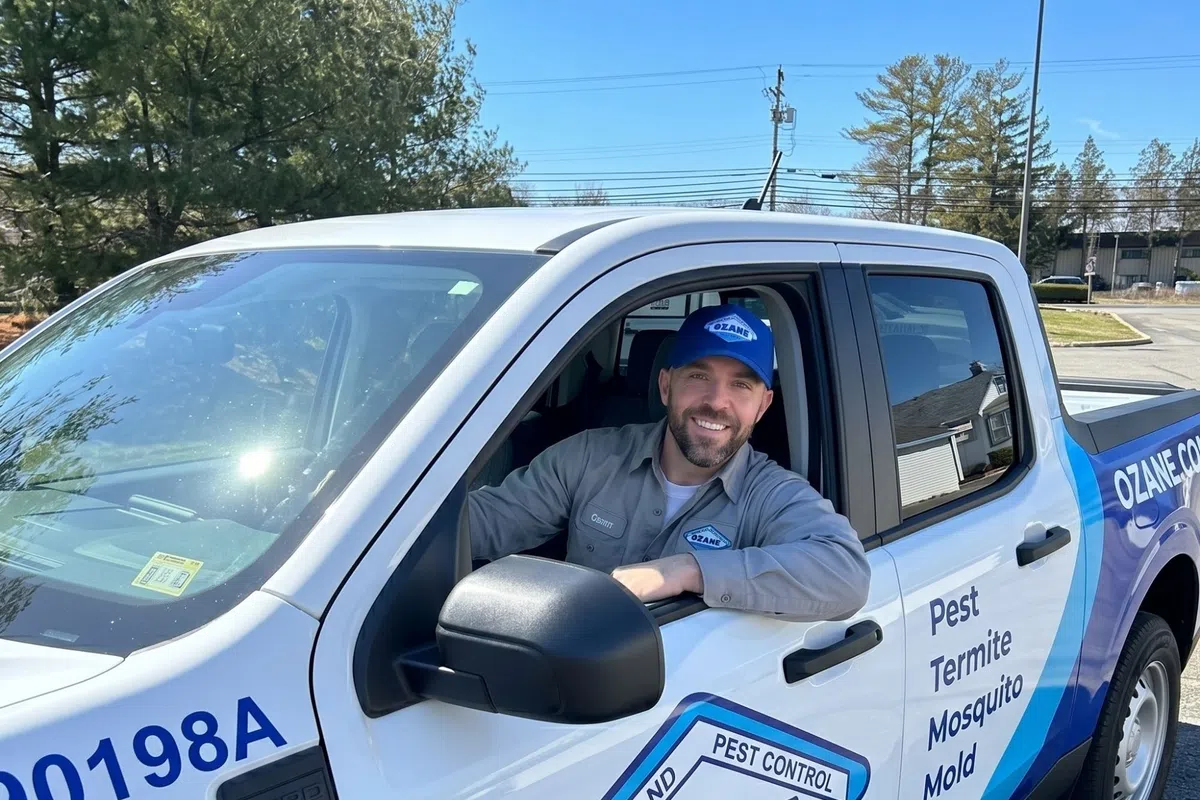
Mold Remediation For Local Homeowners
If remediation is needed, Ozane develops a plan for the affected area. That may include containing the work area, removing mold-affected materials, cleaning surfaces, and addressing remaining moisture. We will explain the recommended scope before work begins so you know what to expect.
Removing mold is only part of the solution. If excess moisture remains, mold can develop again. Ozane can also recommend crawl space solutions such as dehumidifiers, vapor barriers, and crawl space insulation. Together, these services keep your crawl space dry and the foundation strong.
Ozane has served New Jersey homeowners since 1917. From our Toms River location, we help families throughout Ocean and Monmouth Counties care for their homes with straightforward recommendations and service suited to the property.
Mold & Mildew FAQs
Answered
How do I know if I have mold in my crawl space?
Common signs of mold in a crawl space include a musty odor, visible discoloration, damp wood, high humidity, water damage, or sagging insulation. Not sure what you're seeing in your crawl space? Ozane can inspect the area, identify moisture concerns, and help you understand the next step.
What does mold in a crawl space look like?
Mold can appear as black, white, green, gray, or brown spotting or staining on wood, insulation, or foundation walls. Because not every stain is mold, testing may be recommended when the cause is unclear.
What causes mold to grow in a crawl space?
Mold needs moisture to grow. High humidity, plumbing leaks, poor drainage, groundwater, flooding, and moisture rising from exposed soil can all create conditions that allow mold to develop.
Can crawl space mold affect the rest of my home?
Moisture and odors from a crawl space can move into other areas of the home. That is why we recommend addressing both the mold itself and the moisture conditions contributing to it.
Should I have my crawl space tested for mold?
Testing can be helpful when there is visible discoloration, a persistent odor, previous water damage, or uncertainty about what is growing. We can inspect the area first and let you know whether testing makes sense.
How does mold testing work?
When sampling is recommended, we collect samples from the affected area and send them to an independent laboratory for analysis. Once the results are available, we review them with you and explain what they mean.
How long does mold testing take?
Collecting the samples typically does not take long, but laboratory turnaround time can vary. We will let you know what to expect when your samples are submitted.
What happens if mold is found?
If remediation is needed, we develop a plan based on the affected area and your home's conditions. This may include containment, removing affected materials, cleaning surfaces, and addressing the moisture source.
Will mold come back after remediation?
Mold can return if the moisture problem is not corrected. That is why Ozane looks beyond the visible mold and may recommend moisture-control solutions such as vapor barriers or dehumidifiers when appropriate.
Do I need a vapor barrier or a dehumidifier?
Not every crawl space needs the same solution. It depends on how your crawl space is built, humidity levels, drainage, ventilation, and where the moisture is coming from. Contact us today for your free crawl space inspection.
What humidity level can cause mold in a crawl space?
When moisture levels in a crawl space linger at or above 60%, mold will often begin to develop. To protect against fungal growth, pest issues, and structural deterioration, professionals advise keeping the relative humidity strictly between 45% and 55%.
Does moldy insulation need to be replaced?
It depends on the condition of the insulation and how extensively it has been affected. During our inspection, we can evaluate the insulation and explain whether cleaning or replacement is appropriate.